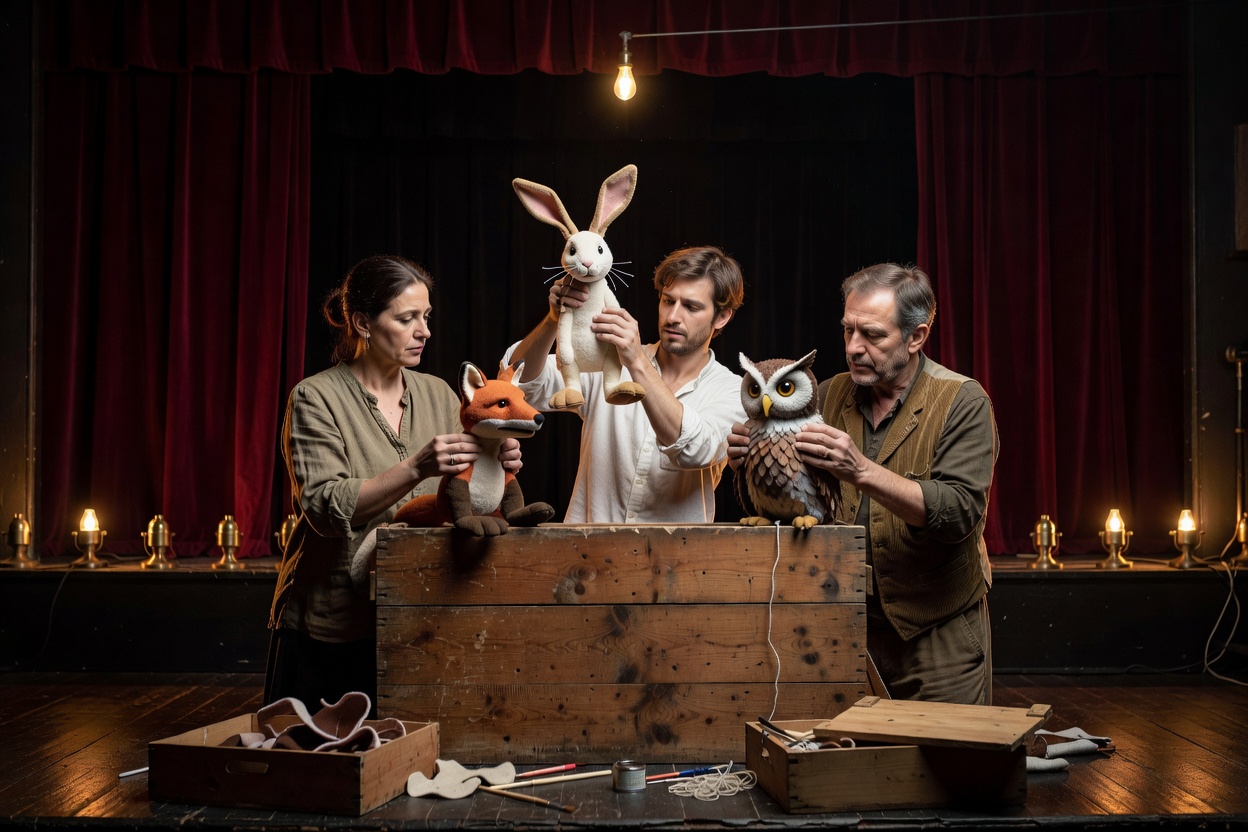
Figure 1.1: Typical small-room staging footprint with direct line-of-sight barrier under 90cm.
1. Core Age Bracket Divisions
Children's theatre in Europe is segmented by developmental window rather than generic family labels. Each bracket sets hard technical requirements for narrative structure, sensory exposure, and run times.
| Age Bracket | Standard Runtime | Narrative Approach | Sensory Tolerance |
|---|---|---|---|
| Early Years (0–3 yrs) | 25–35 minutes | Non-linear, tactile, rhythm-based | Ambient house lights, sound < 70 dBA |
| Primary (4–7 yrs) | 45–55 minutes | Linear cause-and-effect, clear protagonist | Soft transitions, blackout limited to < 3s |
| Upper Primary (8–11 yrs) | 60–75 minutes | Multi-character, dialogue-led, subplots | Standard theatrical sound cues, full blackout |
| Youth / Teen (12–16 yrs) | 75–95 minutes | Complex themes, abstract scenography | Full dynamic range, mature theatrical lighting |
2. Production Types in European Circulation
European venues host four primary production models. Each imposes different touring, space, and audience constraints.
Actor-Led Ensemble Theatre
Three to six performers carry narrative arcs through scripted dialogue and physical choreography. These productions require proscenium or deep thrust stages to preserve ensemble spacing. Text comprehension is essential. Cross-border tours typically employ localized dubbing, subtitles, or physical adaptation.
Object & Puppet Adaptations
Puppeteers utilize tabletop, rod, or shadow devices. These productions feature higher visual density in a smaller physical footprint. Audience capacity is deliberately capped at 60 to 140 seats to preserve sightlines for fine motor movements.
Physical and Non-Verbal Staging
Performers rely on mime, acrobatics, and percussive rhythm. Spoken language is absent or minimal. These productions tour across multilingual European territories with zero translation lag. Run times strictly follow 45 to 60 minutes due to performer exertion.
Musical and Chamber Theatre
Live acoustic instruments accompany spoken narratives. Decibel levels are controlled strictly below 84 dBA to prevent auditory fatigue in younger listeners. Orchestras sit onstage or adjacent rather than in deep sunken pits to maintain visual connection.
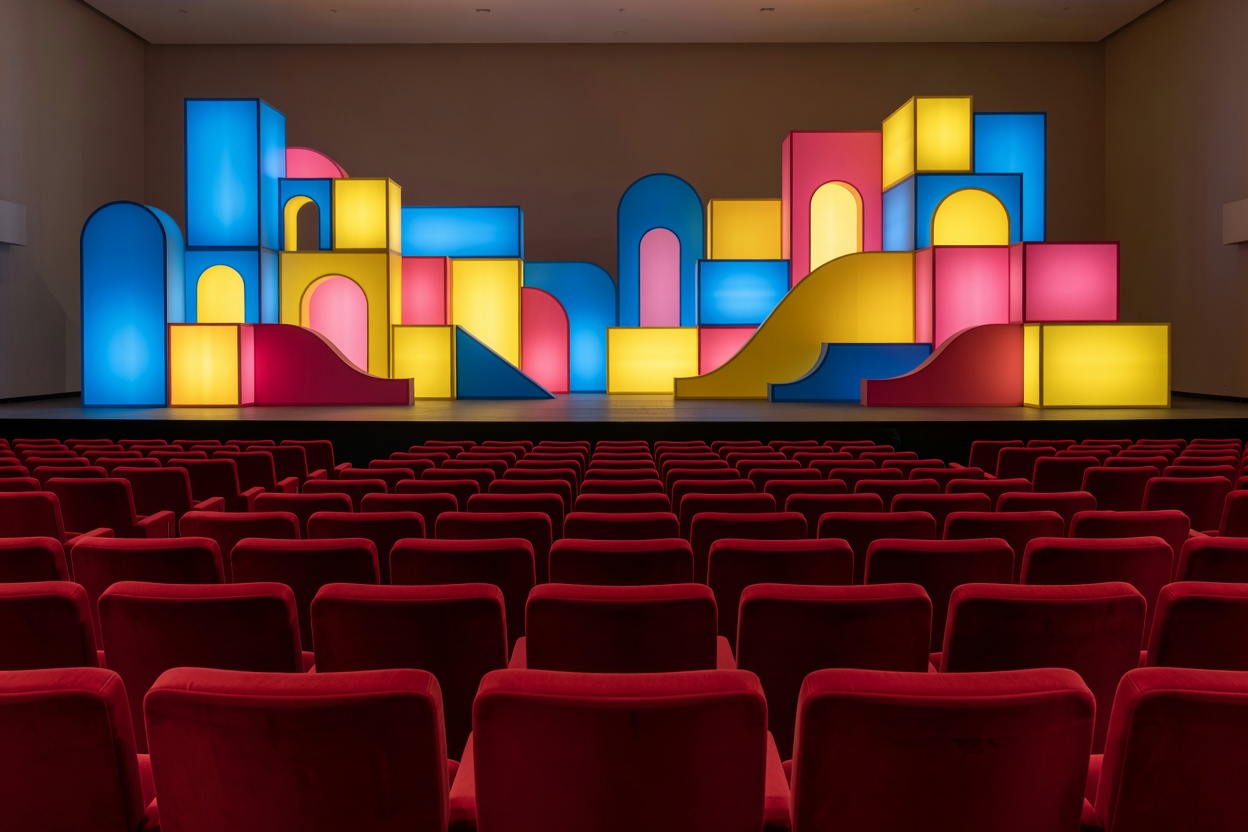
Figure 1.2: Auditoriums with gentle rake angles ensure clear eye contact over adult heads.
3. Selection Criteria for Families
Selecting a production requires matching developmental readiness against staging variables. Do not rely solely on headline themes.
Good for
- Linear productions under 50 minutes for first-time attendees.
- Non-verbal or physical staging for multilingual households.
- Ensemble works with visible acoustic instruments for sustained attention.
- Morning matinees (10:00–11:30) to align with biological energy peaks.
What to check
- Exact runtime without intermission (intervals disrupt younger focus).
- Sudden blackout frequency and strobe notifications.
- Audience participation requirements (voluntary vs involuntary).
- Proximity of aisle seating for emergency exits.
Advantages
- High emotional engagement through direct visual feedback.
- Exposure to diverse European staging traditions.
- Compact formats avoid mental exhaustion.
Limitations
- Rigid age thresholds; infants excluded from age 6+ works.
- Strict latecomer locks in intimate chamber spaces.
- Touring companies frequently vary cast composition between cities.
4. Audience Participation Parameters
Participation is divided into structured call-and-response, spatial immersion, and passive observation. European guidelines advise checking whether children remain in their seats or are drawn into active playing spaces. Unprepared stage call-outs can cause sudden performance anxiety.