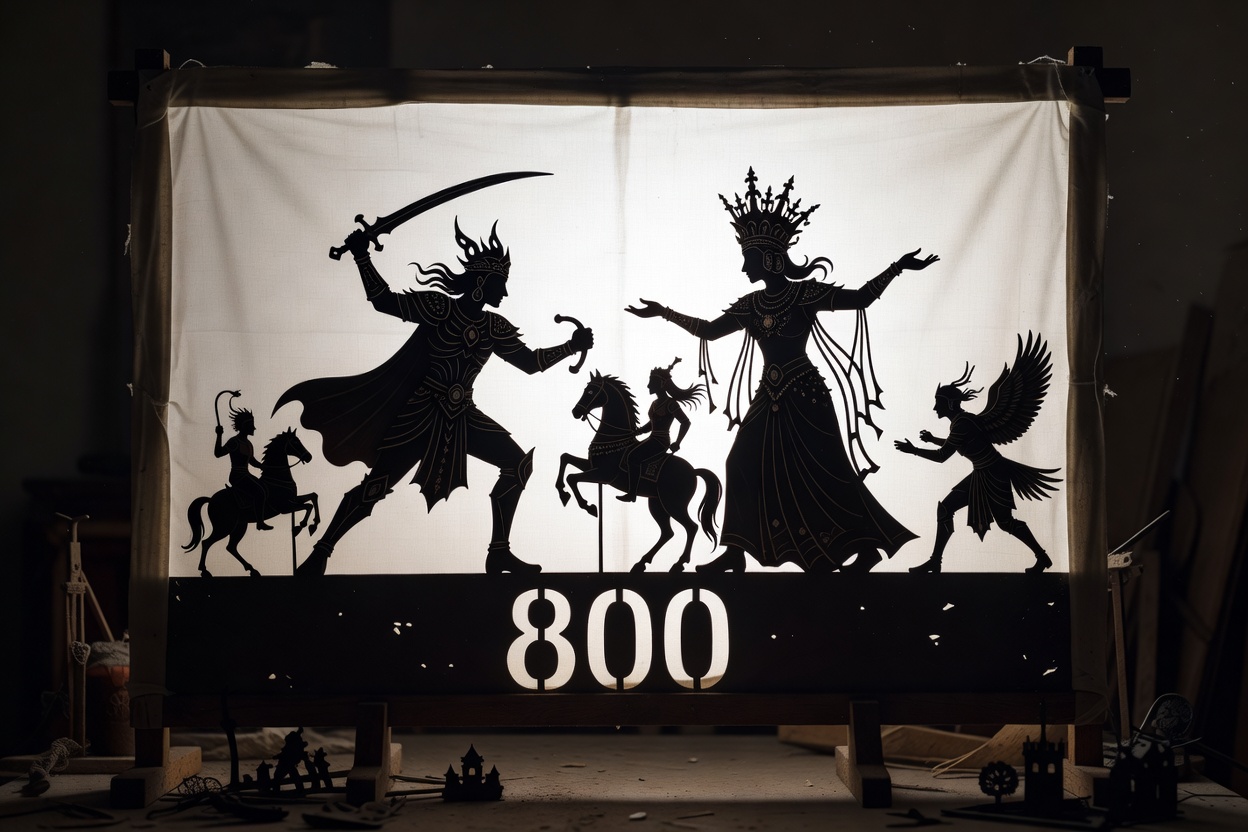
Figure 3.1: Shadow play relies on sharp illumination contrast to project clear outlines.
1. Comparative Matrix of Theatre Formats
European performing arts companies utilize divergent performance mechanics. Choosing an incompatible genre risks cognitive disengagement or overstimulation.
| Format Genre | Primary Medium | Language Barrier | Target Age | Optimal Venue |
|---|---|---|---|---|
| Puppet Theatre | Marionettes, rod, glove | Very Low | 3–8 yrs | Intimate Studio (< 150 cap) |
| Object Theatre | Repurposed household props | None (Non-verbal) | 4–10 yrs | Black Box / Thrust |
| Storytelling / Griot | Single orator, percussion | High (Text-dependent) | 6–12 yrs | Tiered Amphitheatre |
| Physical & Mime | Acrobatics, bodily gesture | Zero | 5–16 yrs | Main Stage Proscenium |
| Family Musical | Choral ensemble, orchestra | Medium to High | 6–14 yrs | Large Lyric House |
| Immersive / Sensory | Tactile sets, 360° space | None | 0–4 yrs | Carpeted Open Salon |
2. Deep-Dive Format Profiles
Puppet & Marionette Staging
Central European traditions (Czech, German, Polish) emphasize precision mechanics. Marionettes isolate expressive movement, allowing young children to process intention without deciphering complex adult facial expressions. Scale remains small. Audiences seated further than 12 metres lose finger and string articulation.
Object Theatre
Originating heavily in French and Belgian youth sectors, object theatre assigns character status to everyday utensils—irons, teapots, timber blocks. It activates symbolic thinking in children aged 4 to 8. Sound effects are generated acoustically in plain view, demystifying theatrical illusion.
Physical & Dance Theatre
Modern youth dance formats rely on kinetic momentum, falling, and spatial balance. Narrative is suggested through physical tension rather than exposition. These formats eliminate cross-border language hurdles, making them prime selections during family travel abroad.
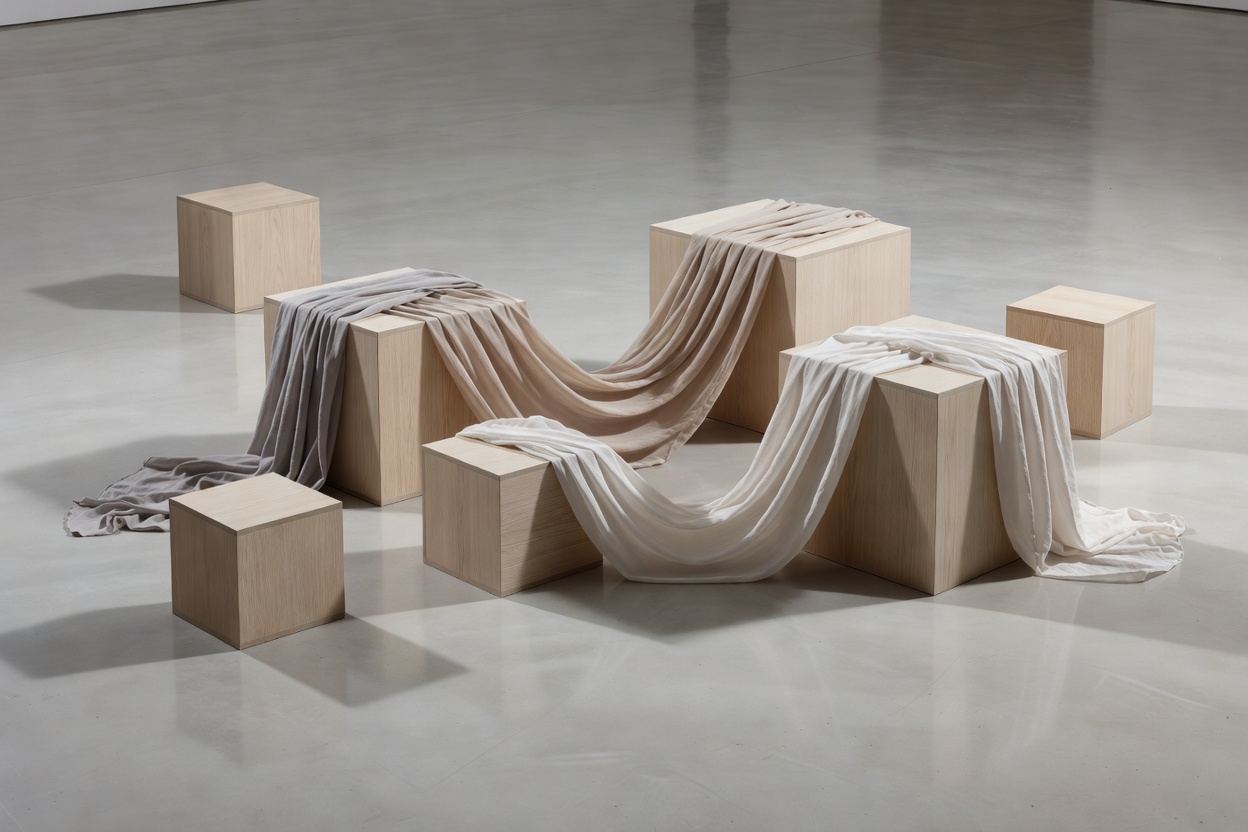
Figure 3.2: Modular geometric props allow rapid shape shifting during object theatre performances.
3. Family Selection Framework
Assess how cognitive and physical demands align with your child's temperament.
Good for
- Object and physical theatre when traveling through foreign language regions.
- Puppet theatre for toddlers intimidated by oversized human actors in costume.
- Acoustic chamber works for children sensitive to amplified speakers.
- Small-room immersive theatre for toddlers requiring freedom of posture.
What to check
- Distance between front row and playing area in puppet booths.
- Presence of strobe lights or smoke machines in musical productions.
- Interactivity level (does the show require stepping onto the stage?).
- Whether seating is on floor mats or standard theatre armchairs.
Advantages
- Visual and physical formats bypass national language divides entirely.
- Short running lengths (40–60 min) prevent sensory overload.
- Object manipulation stimulates creative domestic play afterward.
Limitations
- Text-heavy storytelling demands absolute fluency in the local language.
- Floor-mat seating formats offer zero back support for adult caregivers.
- High demand and low capacities (under 100 seats) cause rapid sell-outs.
4. Sensory Demands by Medium
Auditory spikes occur most frequently in large musicals where live percussion and digital amplification reach 88 dBA. In contrast, shadow puppetry relies on diminished ambient light, demanding tolerance for dark rooms. Evaluate sensory profiles in advance to prevent mid-show distress.