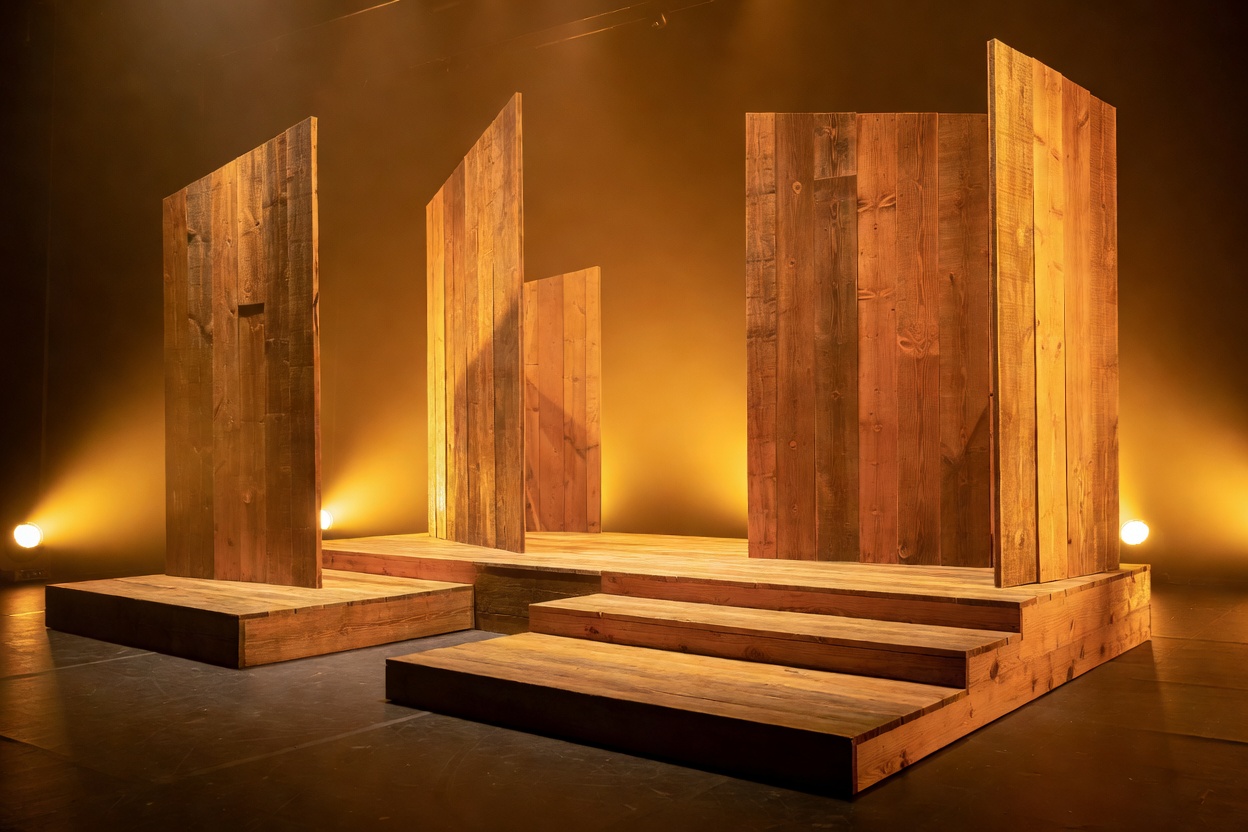
Figure 4.1: Low-profile scenic risers elevate floor props into unobstructed sightlines.
1. Ergonomic Scale and Sightline Elevation
Young children experience standard theatre sets as towering and visually detached. Scenographers specializing in family productions lower key focal planes by 30 to 45% compared to adult commercial stages.
Floor-level props pose an immediate obstruction risk in flat or gently raked auditoriums. European staging guidelines mandate placing critical action on raised platforms between 300mm and 600mm above the main stage floor. This elevates footwork and small object manipulation into clear line-of-sight across the stalls.
| Technical Element | Standard Adult Staging | Engineered Children's Staging | Operational Rationale |
|---|---|---|---|
| Primary Focal Plane | 1400–1800 mm | 700–1200 mm | Matches lower seated eye angle |
| Set Change Mechanics | Concealed dark transitions | Visible choreographed moves | Prevents disorientation and fear |
| Peak Sound Volume | Up to 96 dBA | Capped at 80–82 dBA | Protects developing tympanic ears |
| Lighting Color Temp | High contrast / Stark blue | Warm white (2700K–3200K) | Softens shadows, lowers distress |
2. Scenographic Colour and Materiality
Contrary to outdated conventions, sophisticated children's theatre avoids high-gloss neon palettes. Excessive spectral saturation causes visual fatigue within 20 minutes. European practice prioritizes natural materials: unvarnished birch plywood, woven wool, matte canvas, and structural card.
Texture delivers tactile feedback, particularly when performers handle props within four metres of the front row. Modular scenic flats that pivot, unfold, or re-nest permit rapid scene changes without dropping the main house curtain.
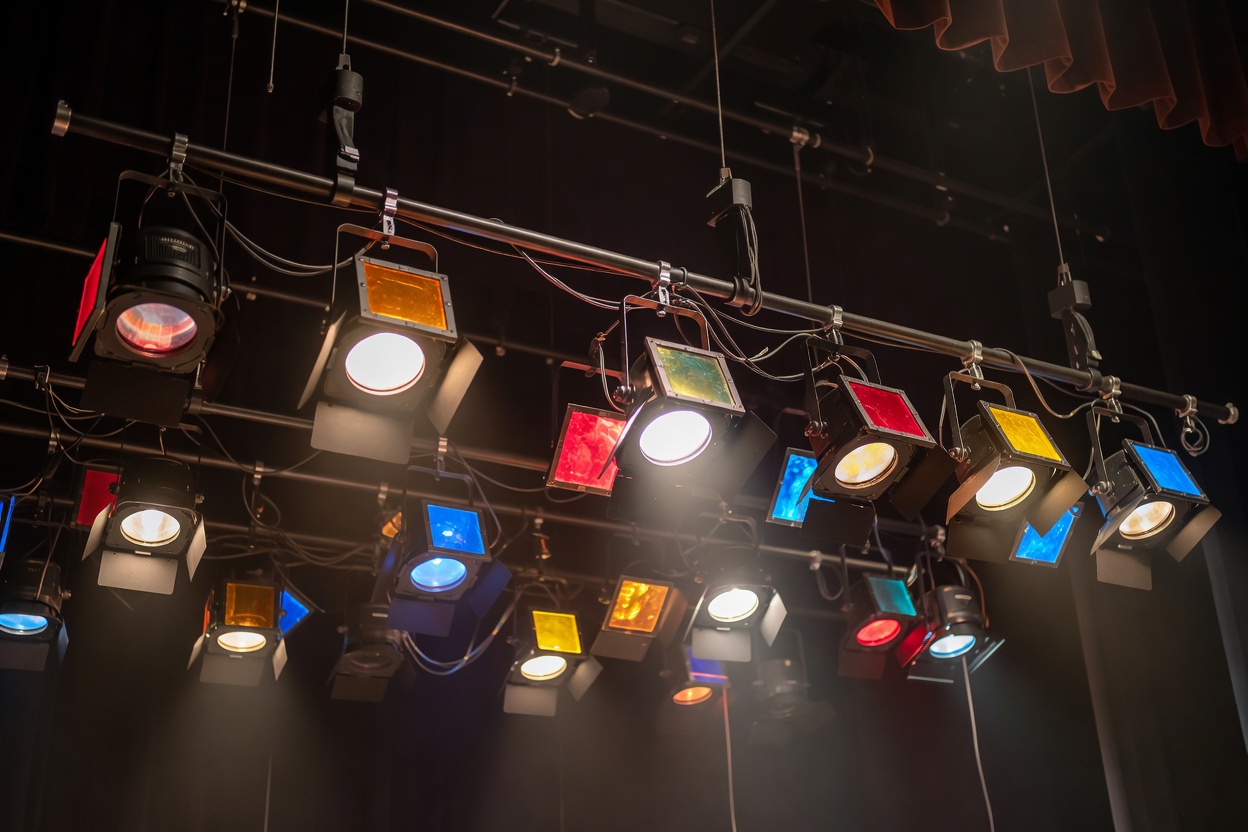
Figure 4.2: Diffused fresnel washes soften harsh proscenium shadows for younger audiences.
3. Lighting & Sound Control Parameters
Lighting and acoustic pacing represent the primary trigger points for sudden early exits.
Controlled Blackouts
Complete darkness inside an unfamiliar 400-seat auditorium triggers acute distress in children under seven. Contemporary directors replace absolute blackouts with low-level twilight washes (5 to 10% blue or amber backlight). Performers remain dimly discernible while shifting set pieces.
Decibel Ceilings
Sudden percussive transients (gunshots, cymbal crashes, synthesized clatter) must remain under strict limiter control. Peak spikes should not exceed 82 dBA at row C. Continuous sound design sits comfortably between 62 and 72 dBA.
Good for
- Staging that keeps set alterations visible and rhythmic.
- Warm palette washes that avoid cold, clinical blue LED glare.
- Acoustic sound sources located onstage rather than high PA speakers.
- Stages with floor heights below 90 cm relative to front-row eye level.
What to check
- Whether the production uses theatrical fog or hazers (asthma triggers).
- Frequency of sudden strobe pulses or direct audience-facing spotlights.
- Presence of heavy overhead suspended items that can induce unease.
- Stage elevation in relation to front row seating.
Advantages
- Scaled sets allow children to decode spatial scale instinctively.
- Visible stage mechanics demystify theatre craft without fear.
- Controlled decibels prevent auditory trauma and premature exits.
Limitations
- Intimate scaled designs cannot scale up to 1,200+ seat touring arenas.
- Twilight washes restrict the dynamic punch of high-contrast illusion.
- Custom modular sets increase touring transport freight volume.
4. Audience Proximity Ratios
The critical intimacy zone for audiences aged under 8 is 10 metres. Beyond 10 metres, micro-gestures and nuanced puppetry lose spatial legibility. Staging for primary ages must concentrate action forward of the mid-stage line to preserve emotional immersion.